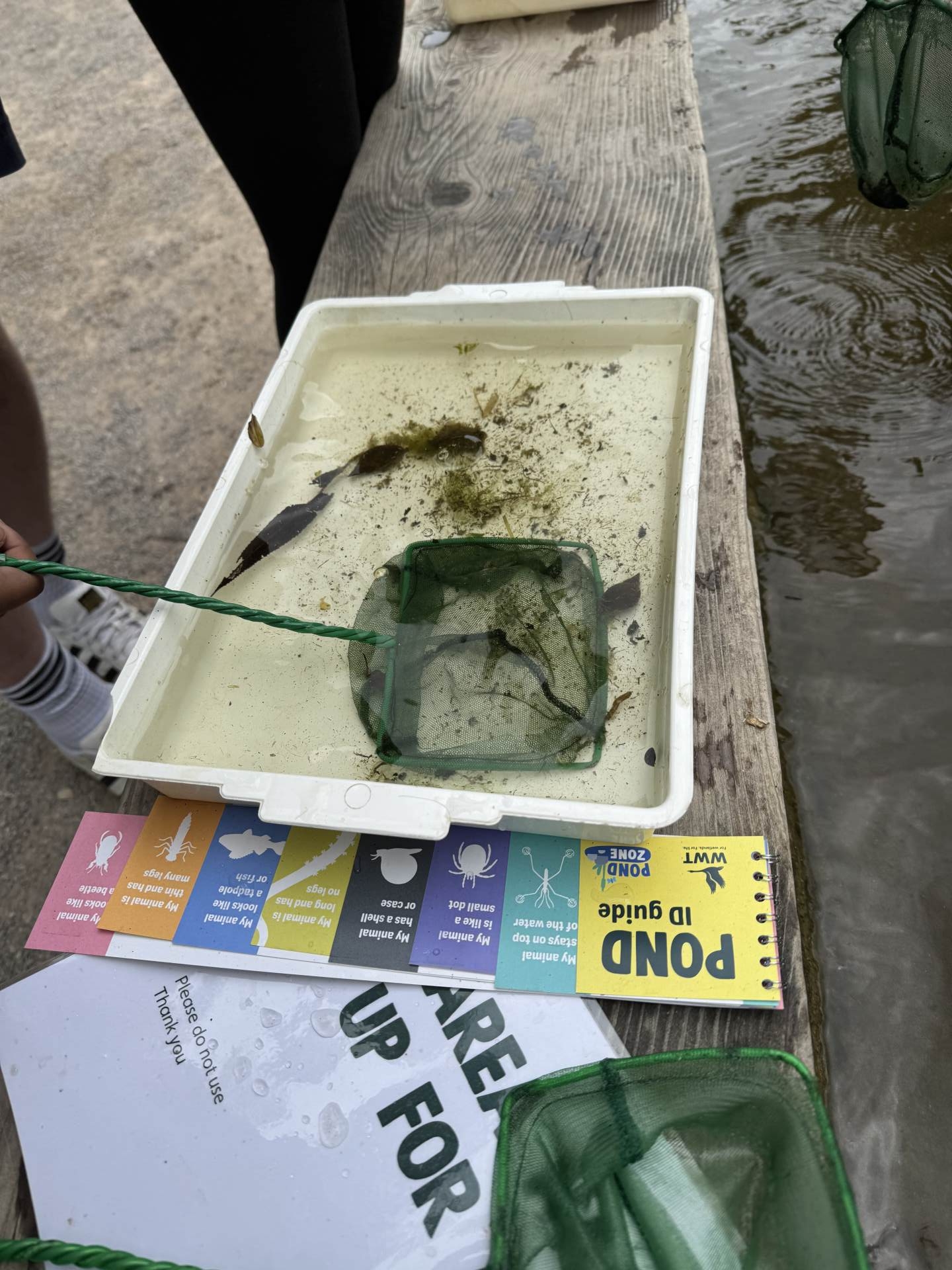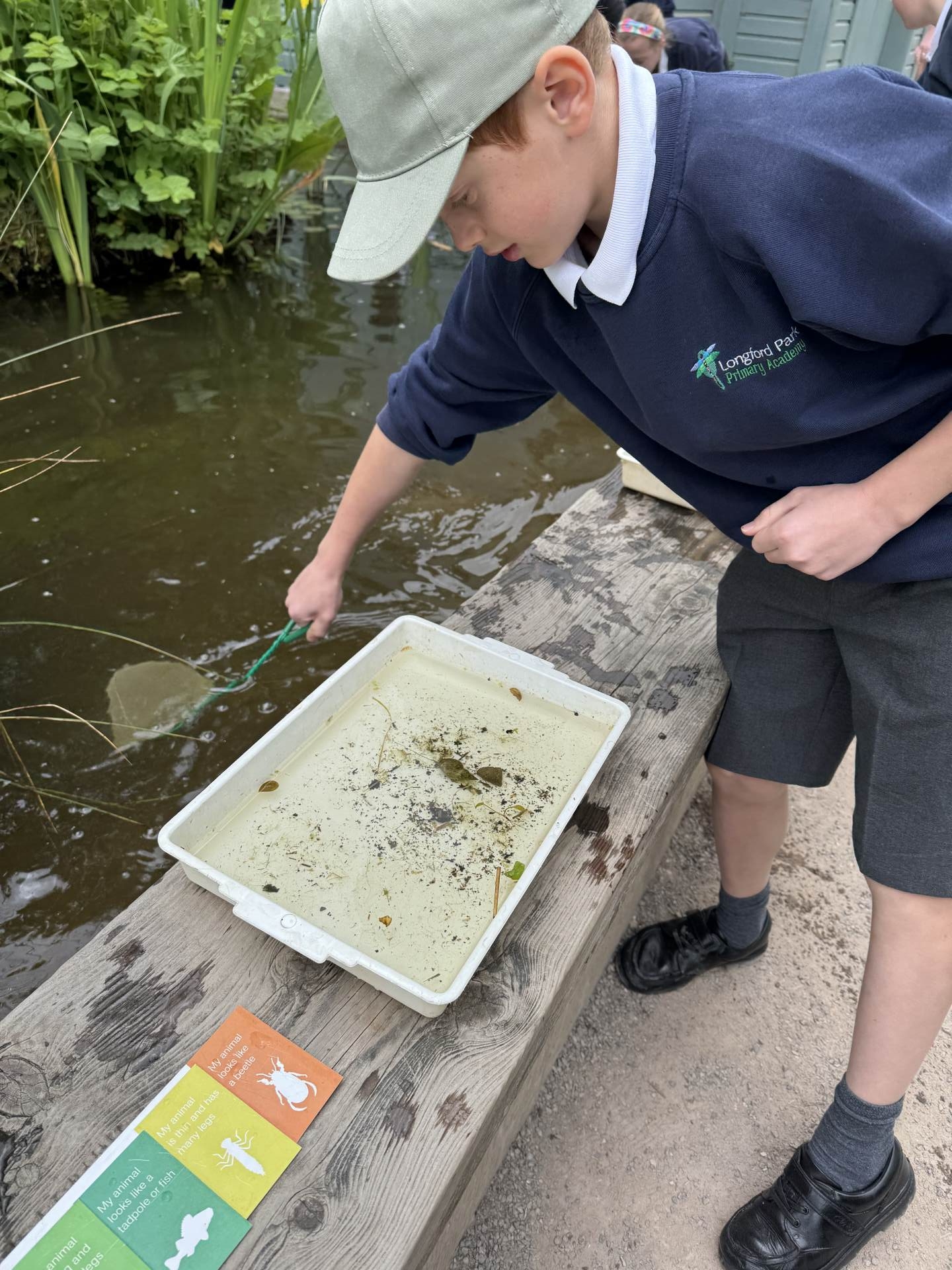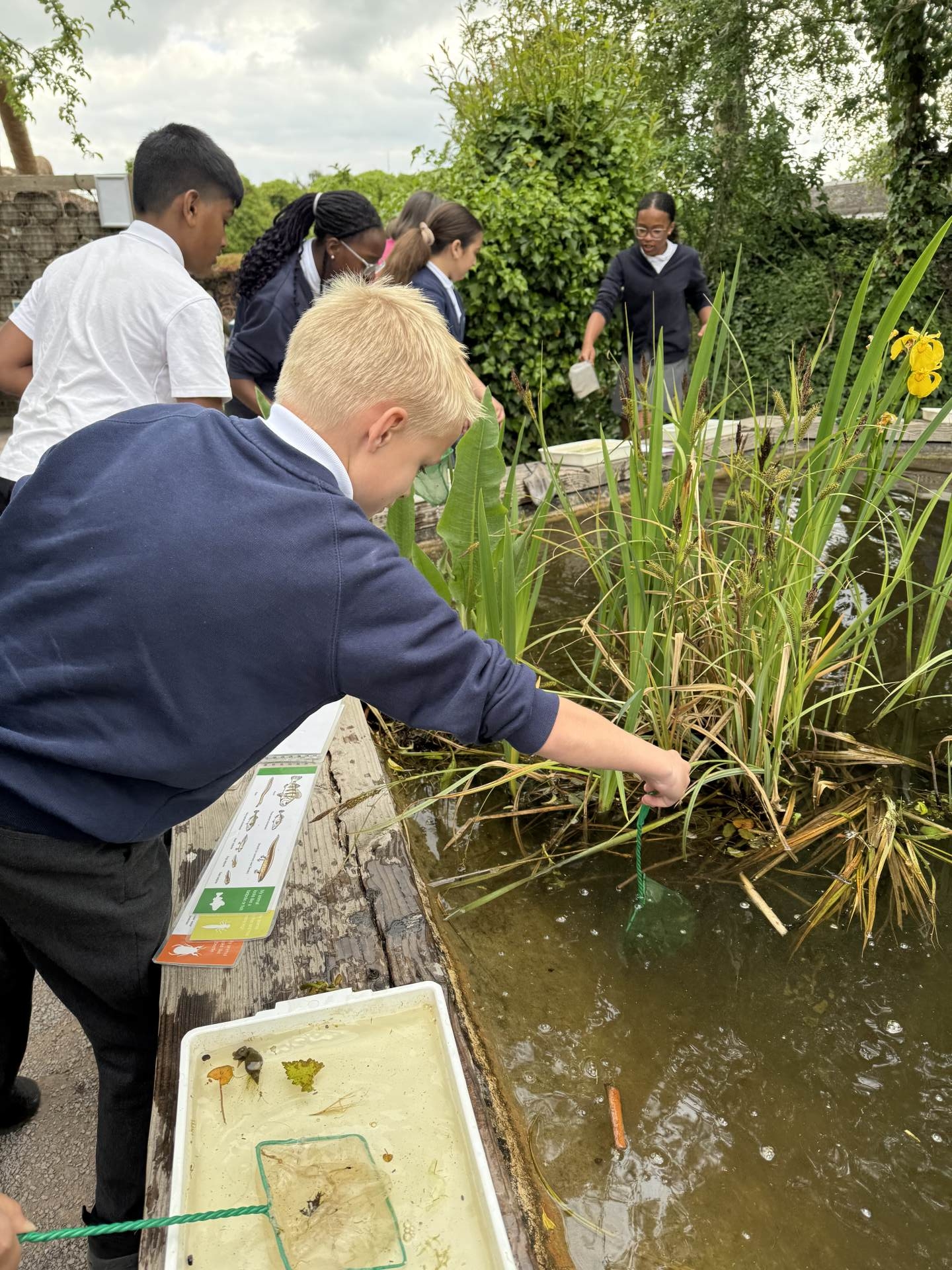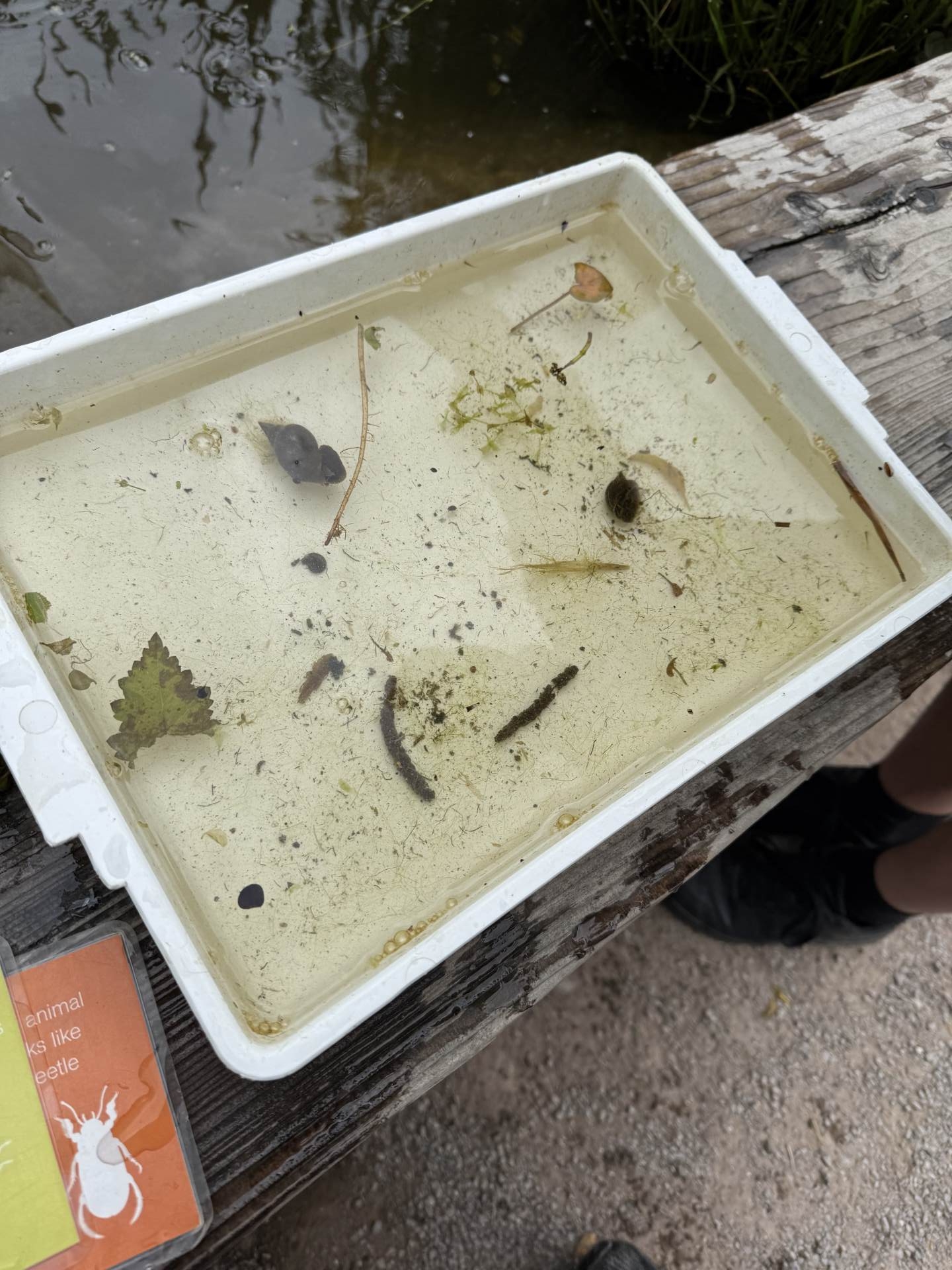
What could you do?
Be interested
Find out their termly topics (most schools will provide this information each term, or you can always ask their teacher) and take an interest — find relevant books in the library or bookshop, do some research, brush up your own knowledge about the topic! Then you can have interesting conversations where you are both learning at the same time.
Take a trip
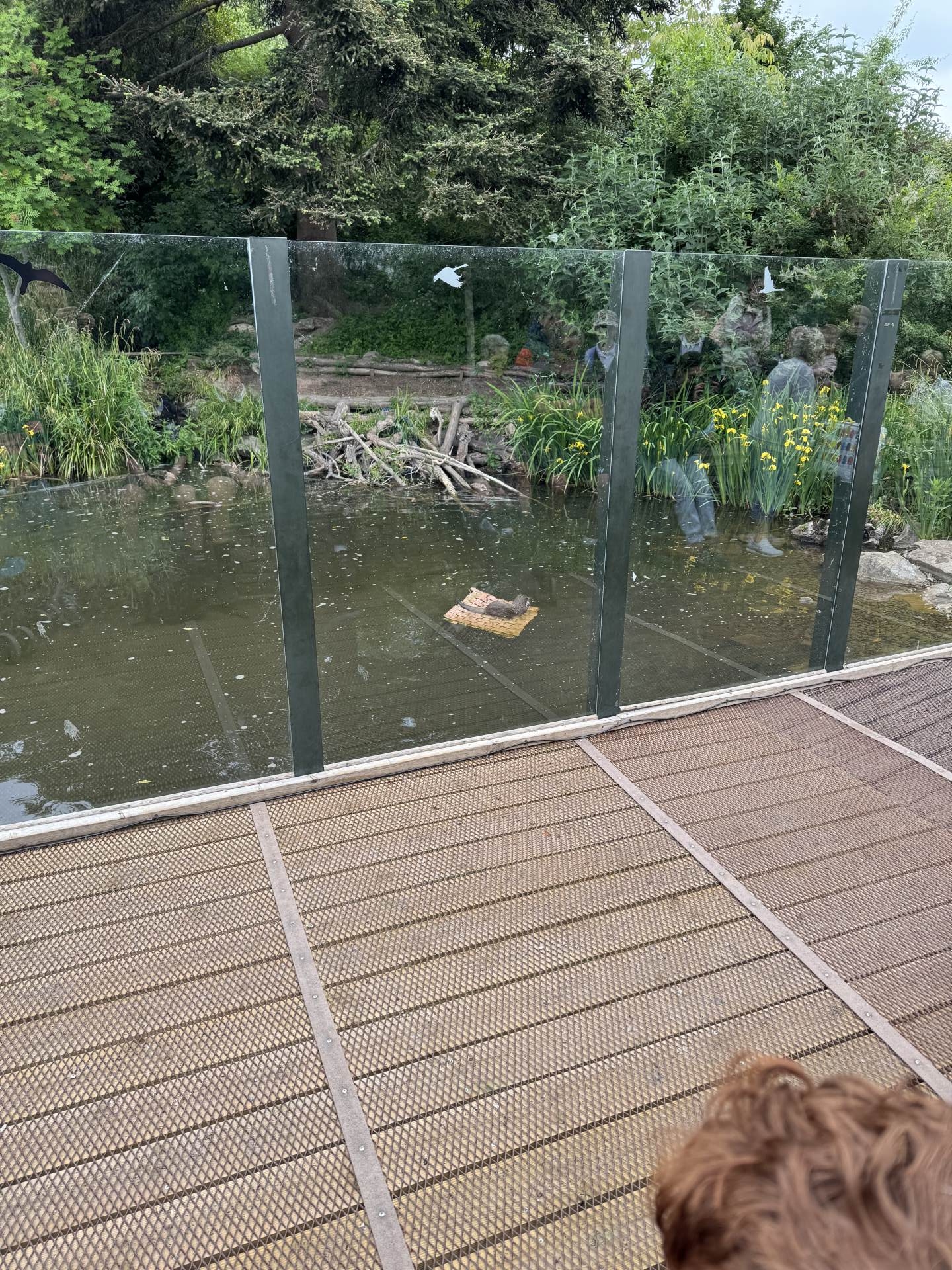
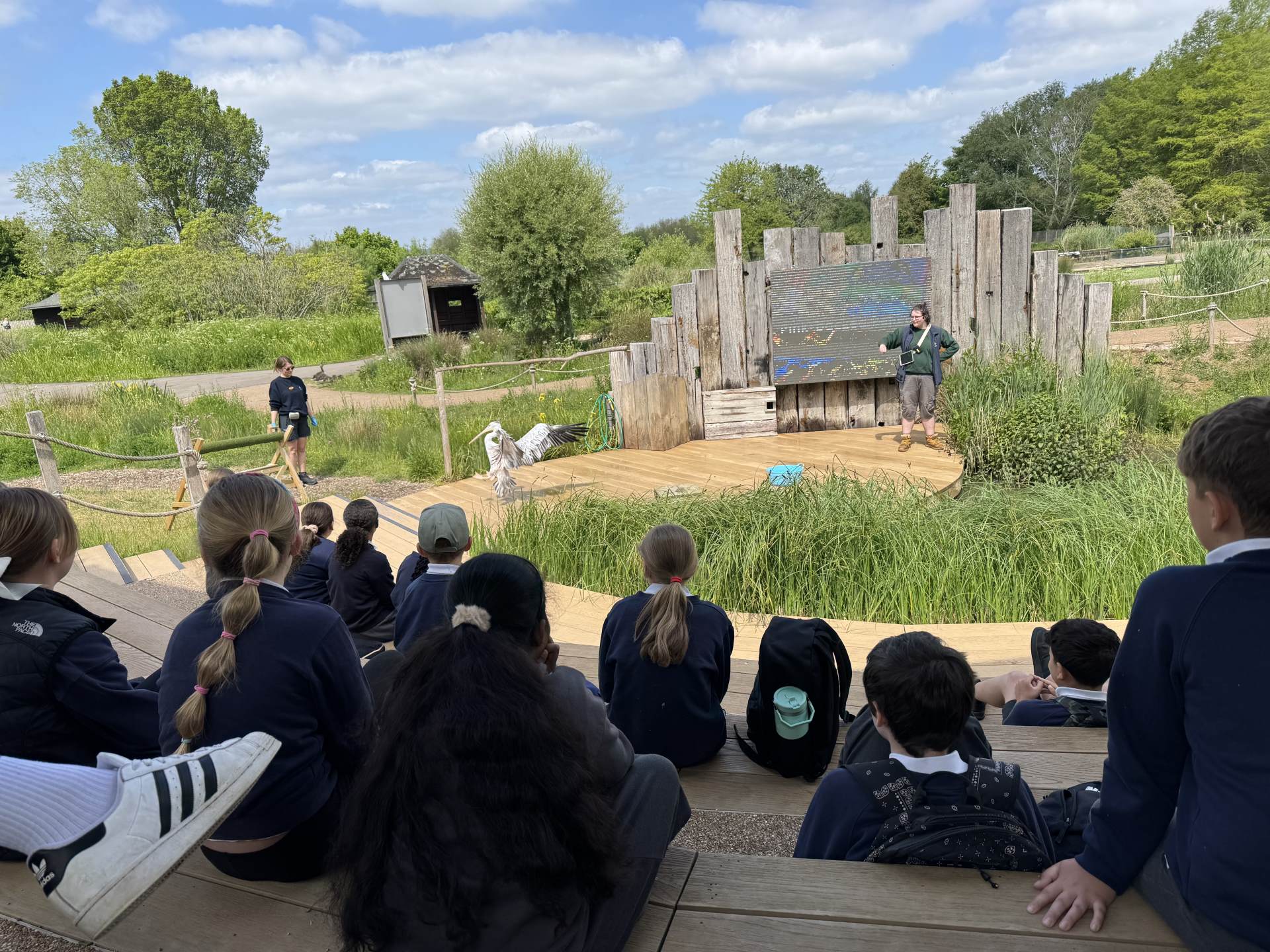
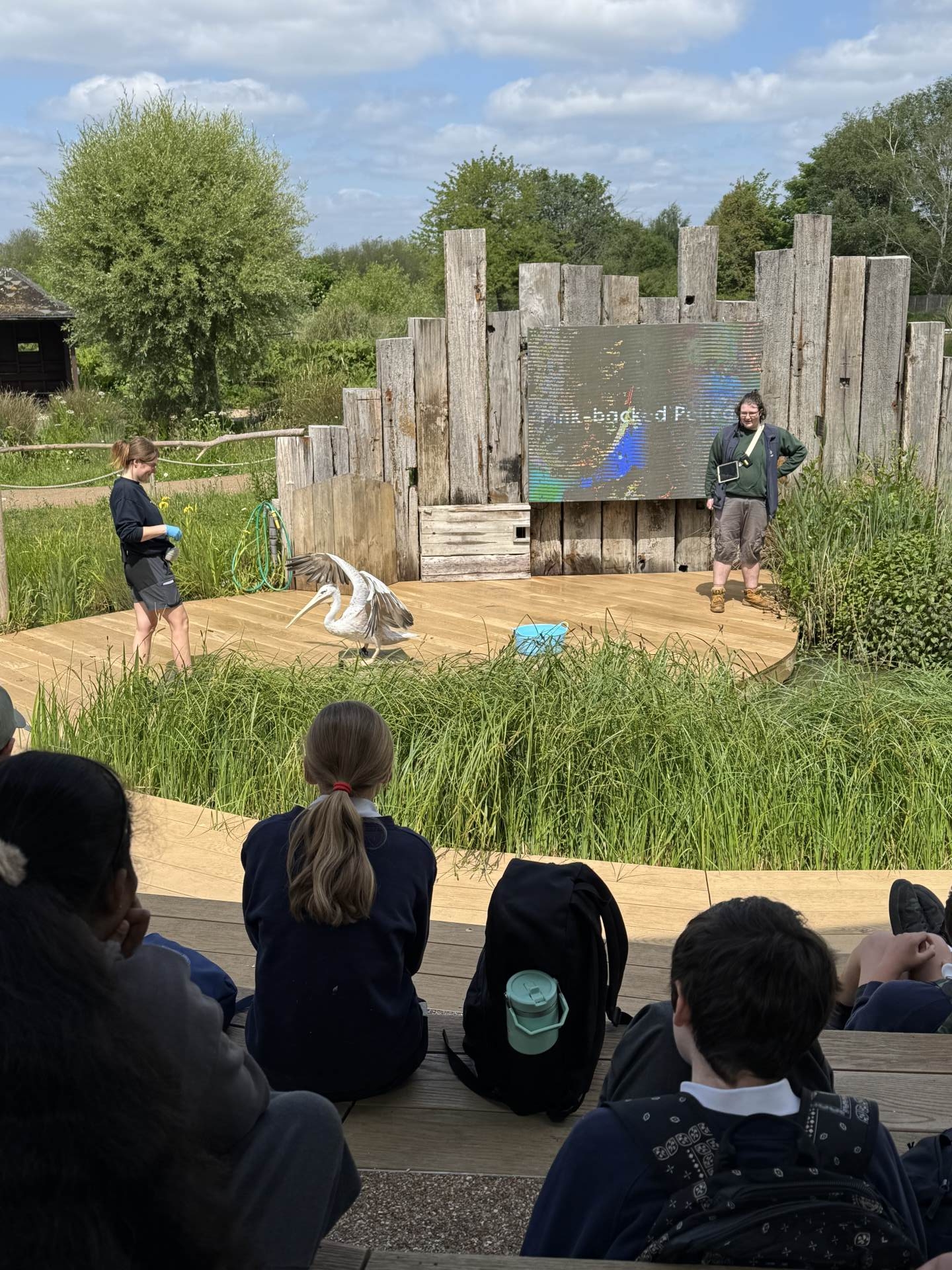
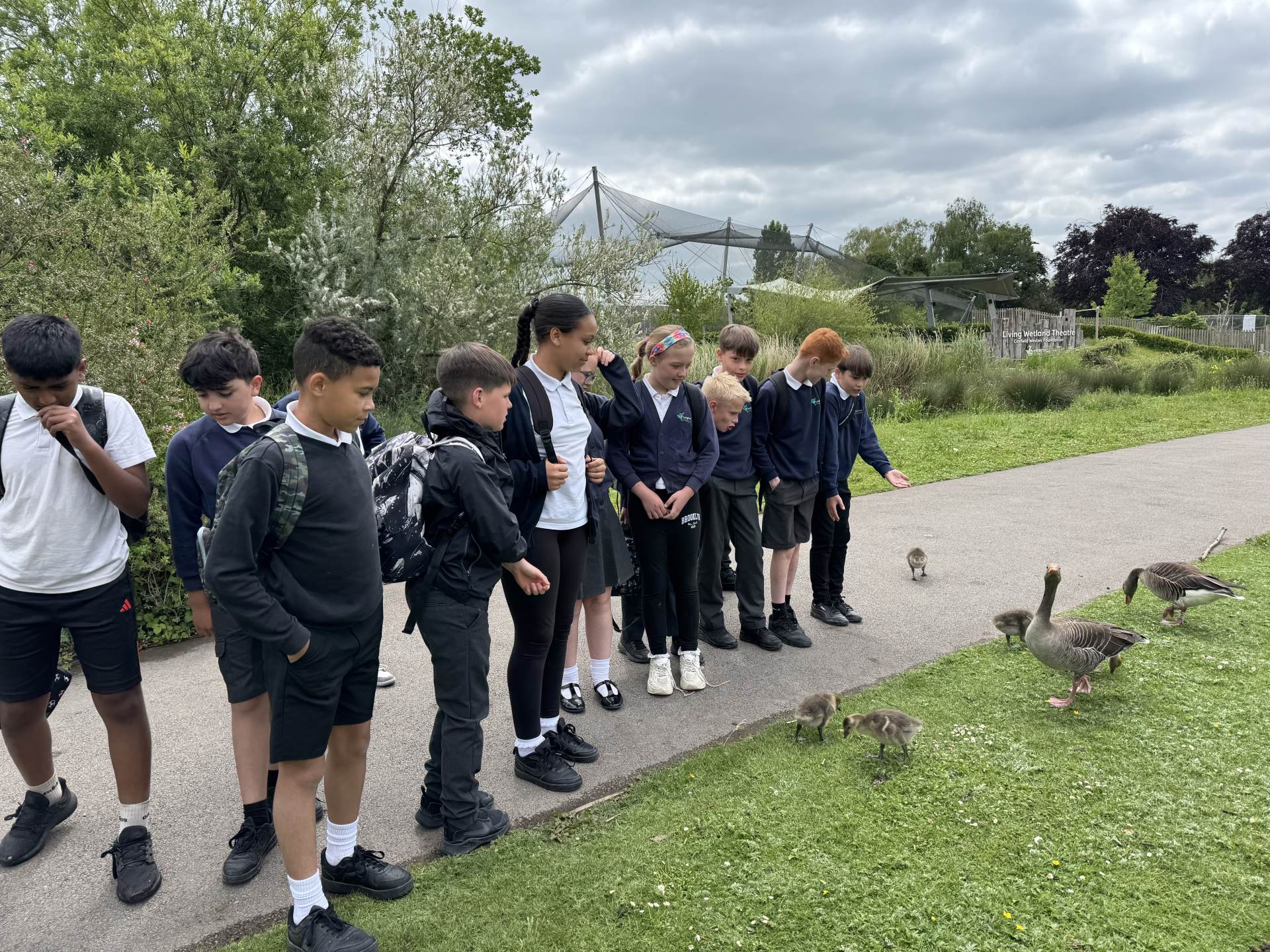
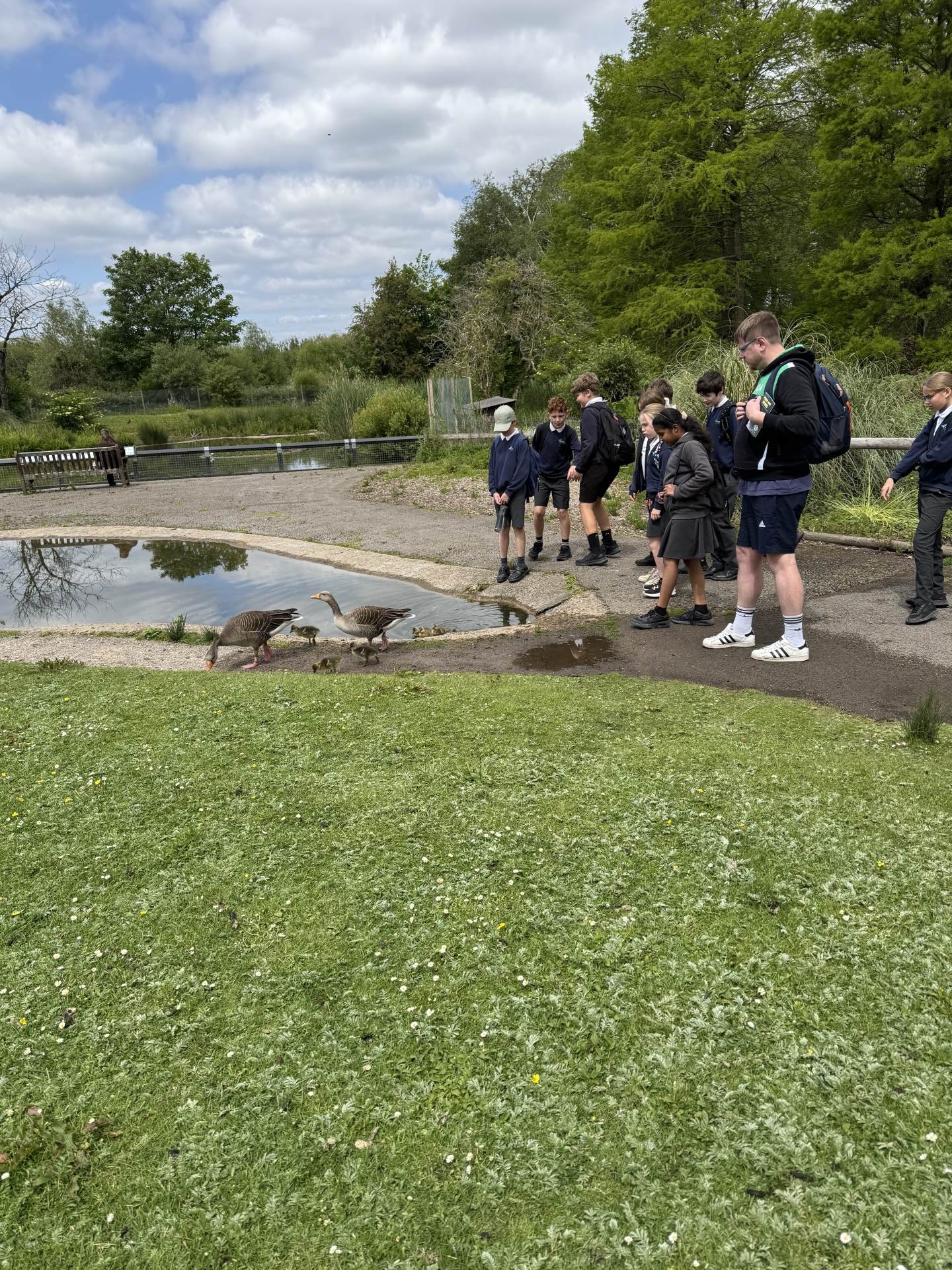
Why not take a trip to a science museum, a zoo or an aquarium? These don’t necessarily need to be completely related to what they are learning about at school. Any visit can help their curiosity and engagement with science generally.
Make it personal
Find out about famous scientists and research unique and exciting inventions up to and including the present day. Who knows, you may have the next Stephen Hawking or Marie Curie at home!
Get hands-on
Look up fun, practical science experiments you can do at home with everyday objects
Science
Intent
At Longford Park Primary Academy we strive to provide a Science curriculum that stimulates and excites pupil’s curiosity about the awe and wonder of the world around them. We want children to know that we are all scientists!
To do this, we encourage children to observe and question why and how things happen, and learn about inspirational scientists who have demonstrated our flying high values, both in the past and present. Our progressive curriculum guides children from Early Years through to Year 6 to work scientifically by answering questions, observing changes, noticing patterns, grouping and classifying things, carrying out simple comparative tests, and finding things out using information.
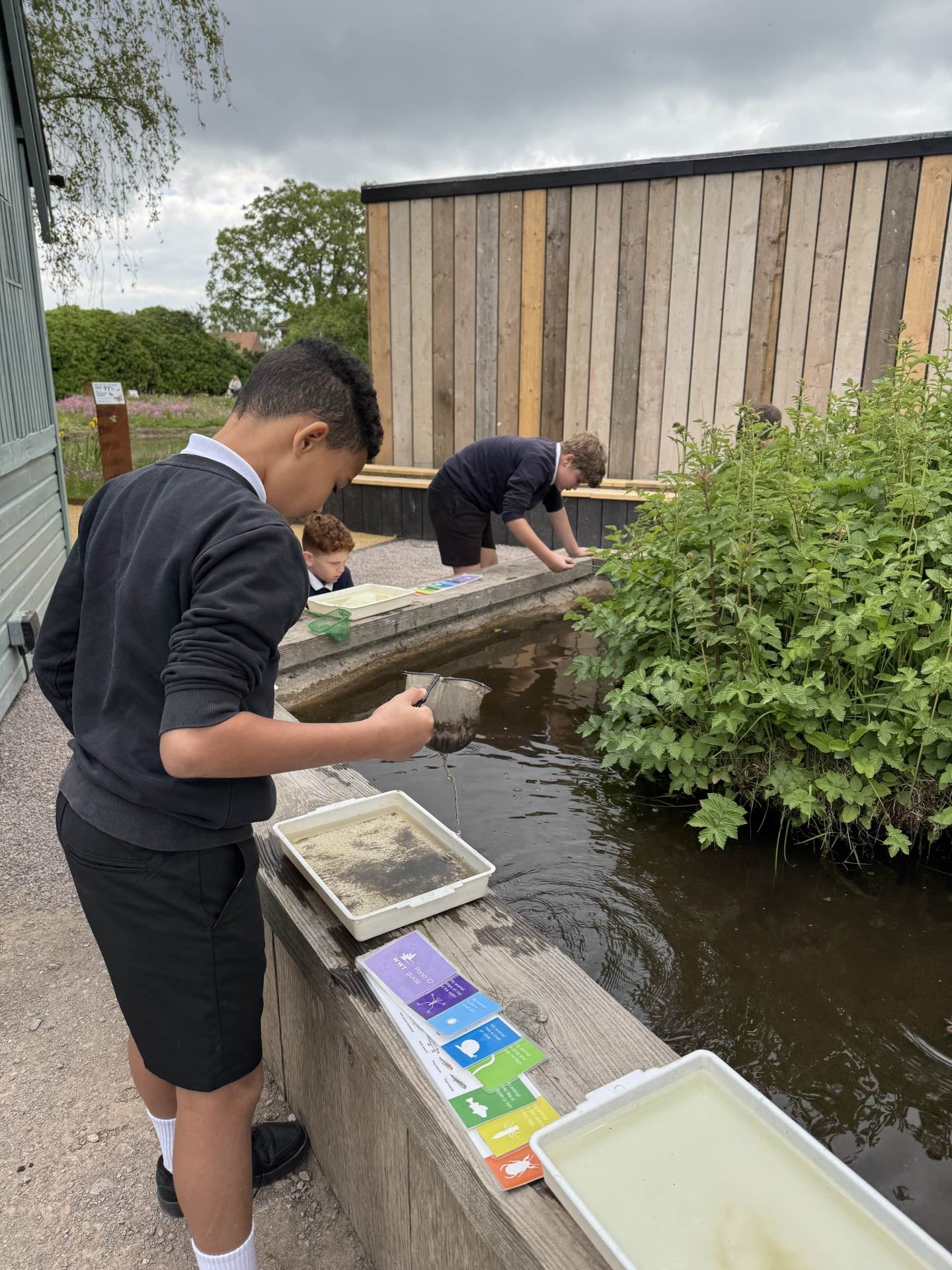
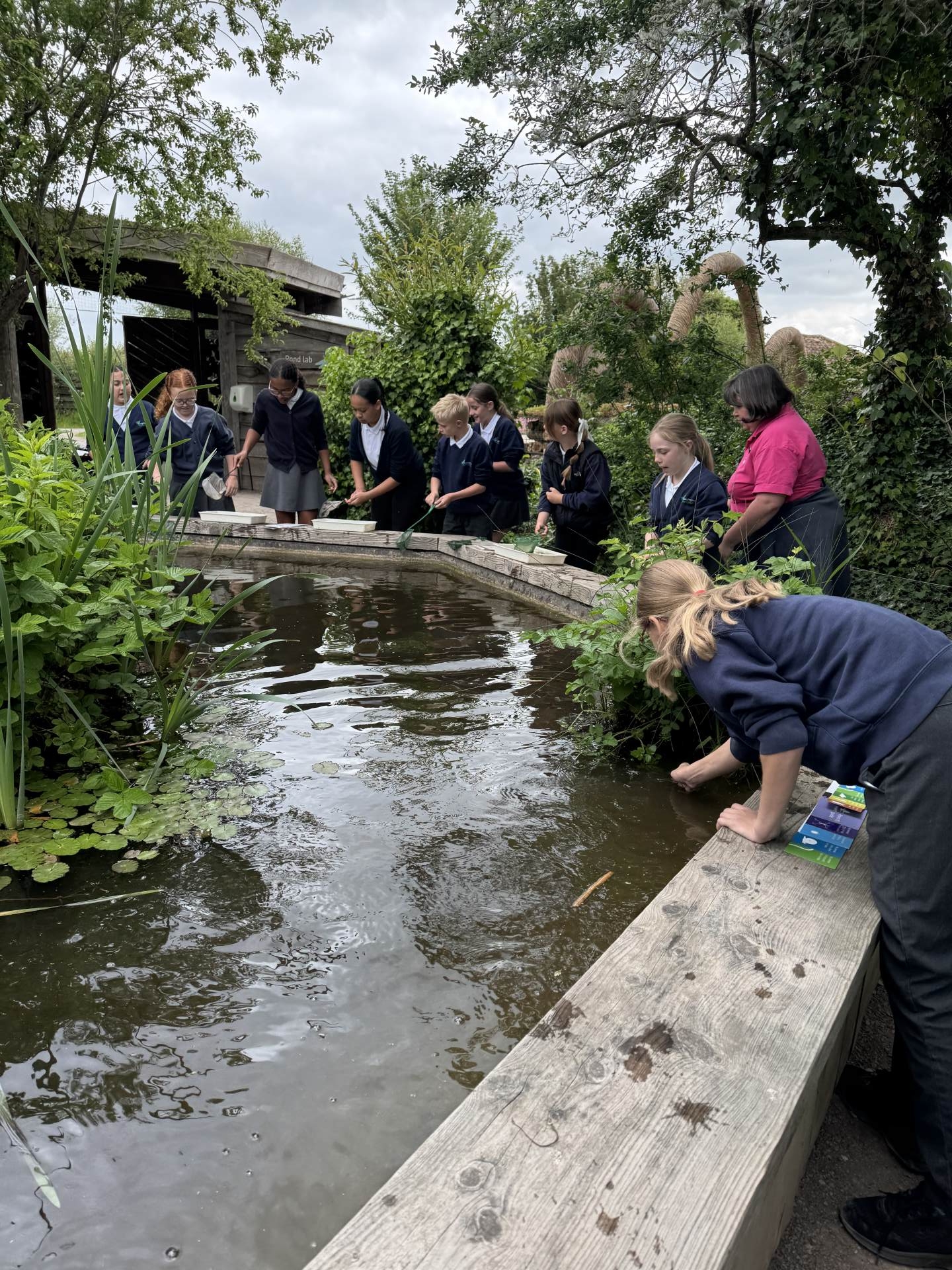
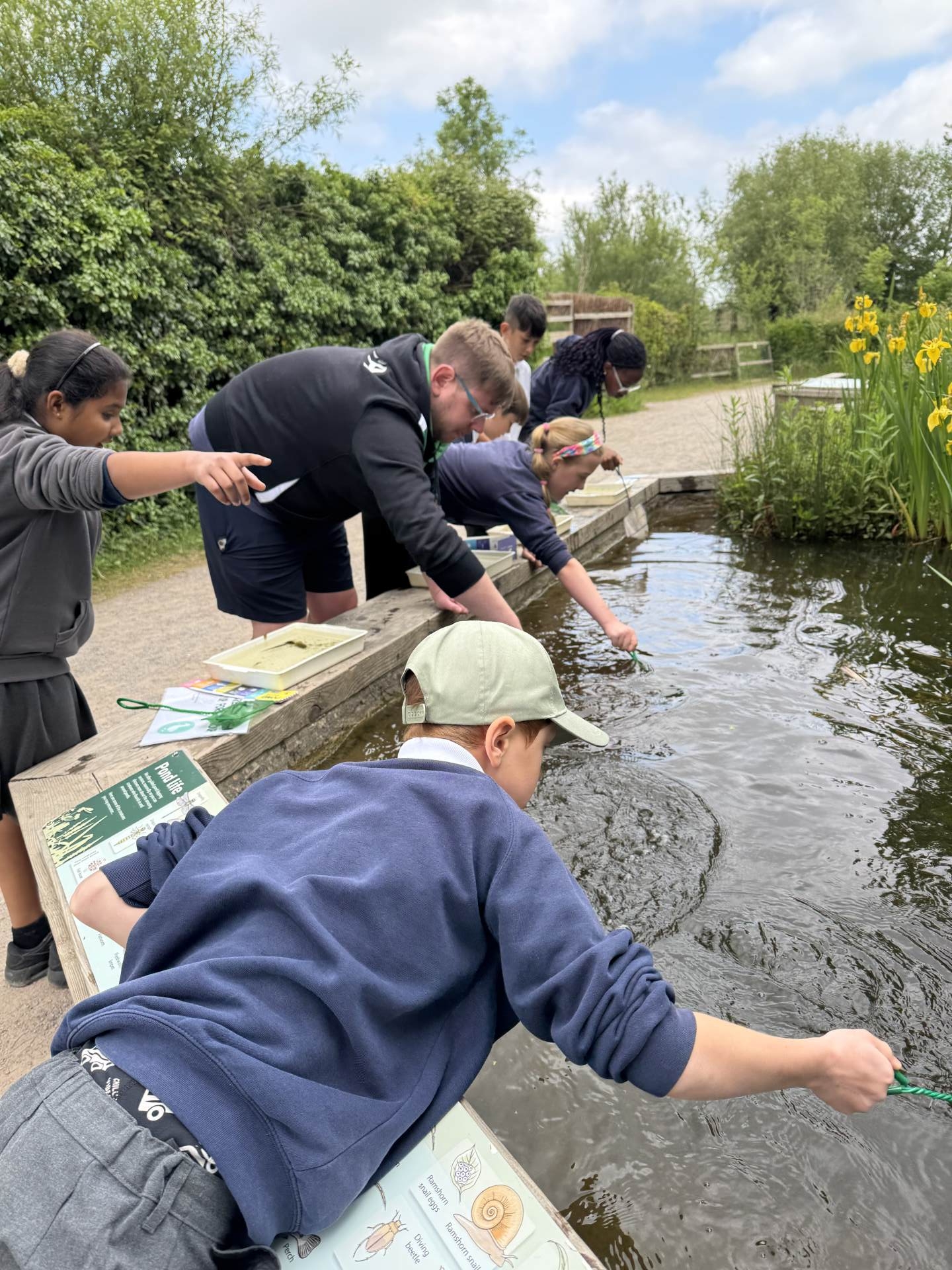
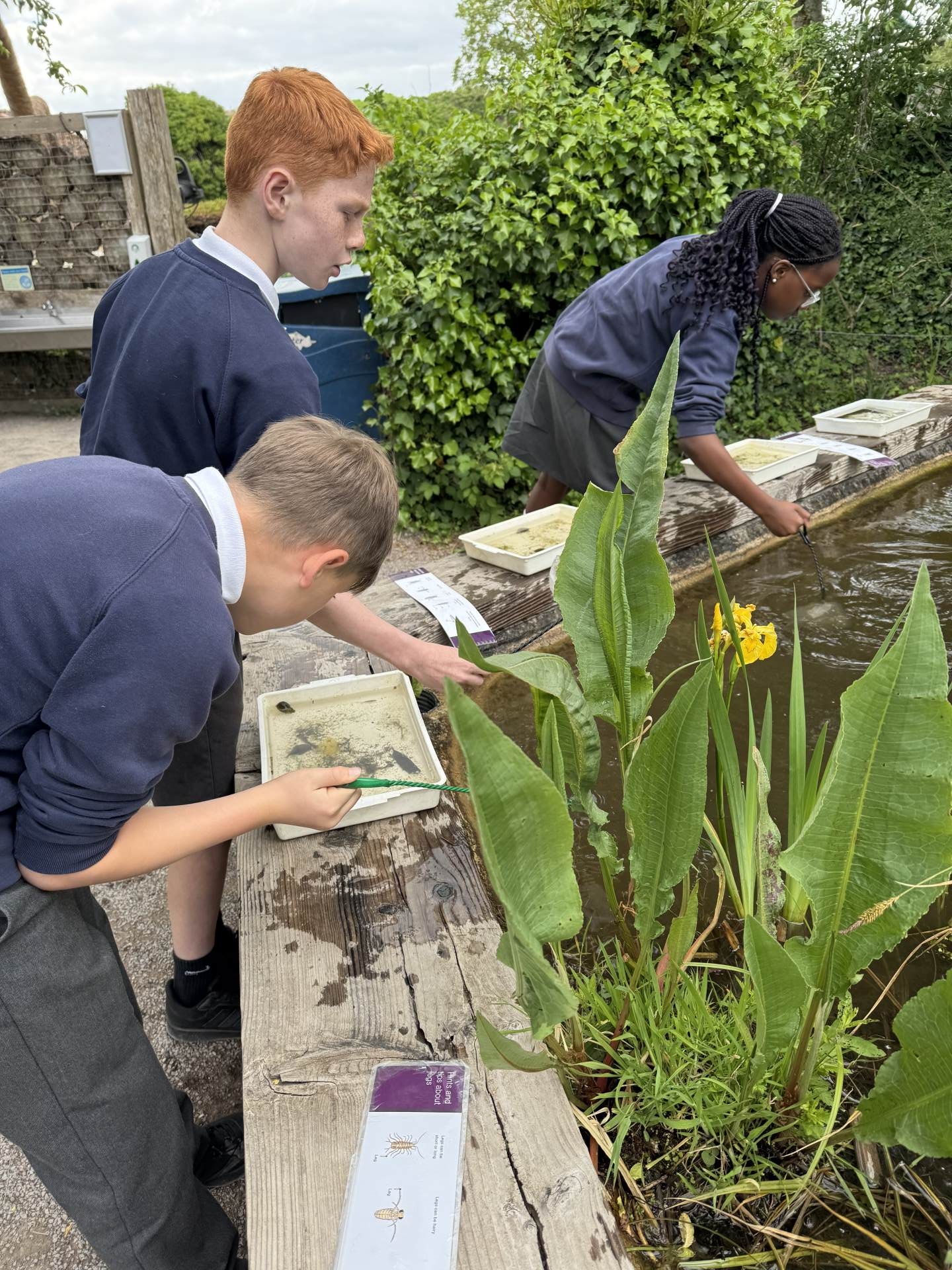
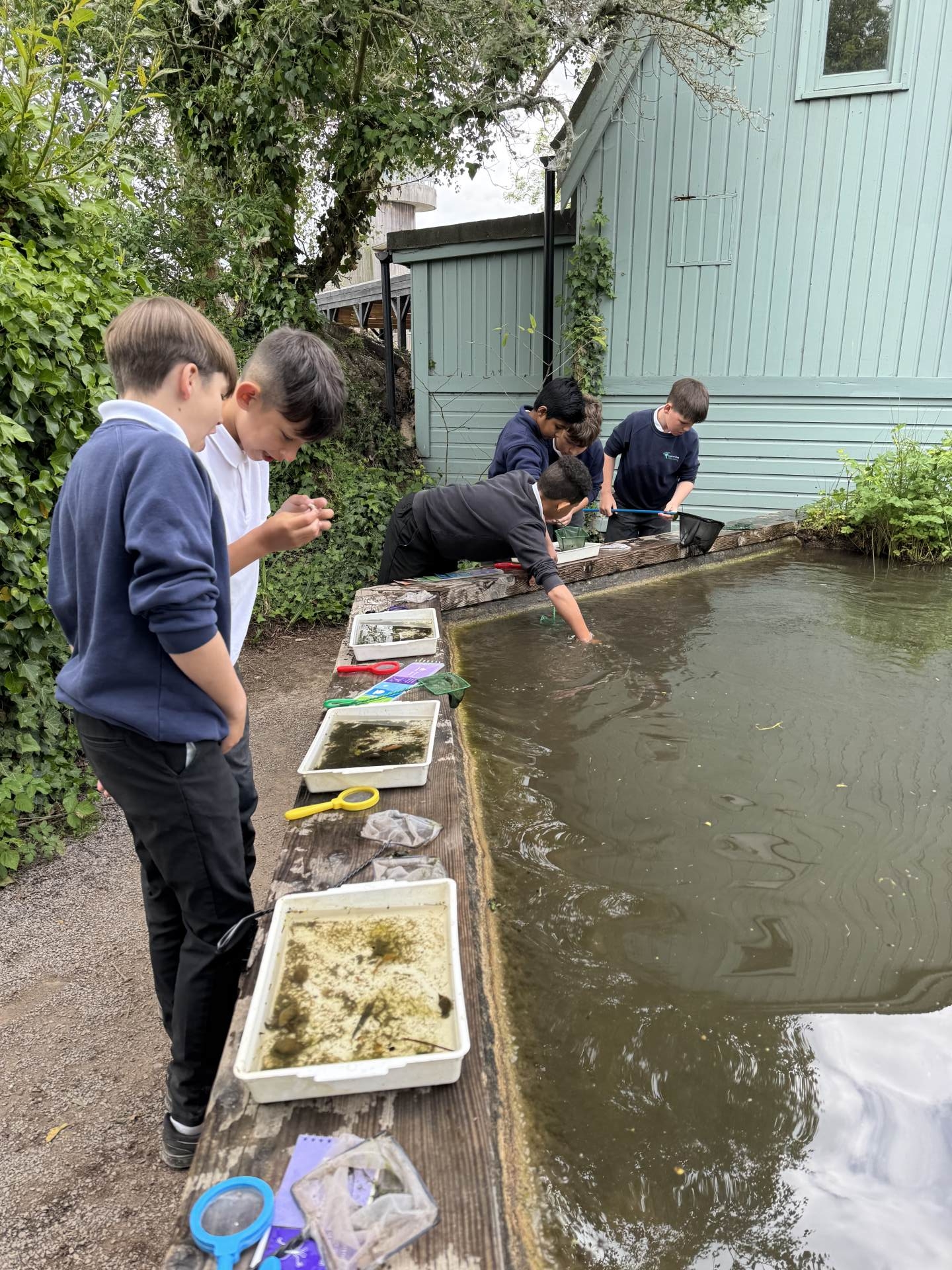
Lessons will be practical, collaborative and teach children the scientific vocabulary needed to present and report their findings. We encourage teachers to take the children’s learning outdoors and to use our forest school space to observe the natural world, make connections with local places of interest, and build a sense of belonging within the environment they are exploring.
Science in Early Years
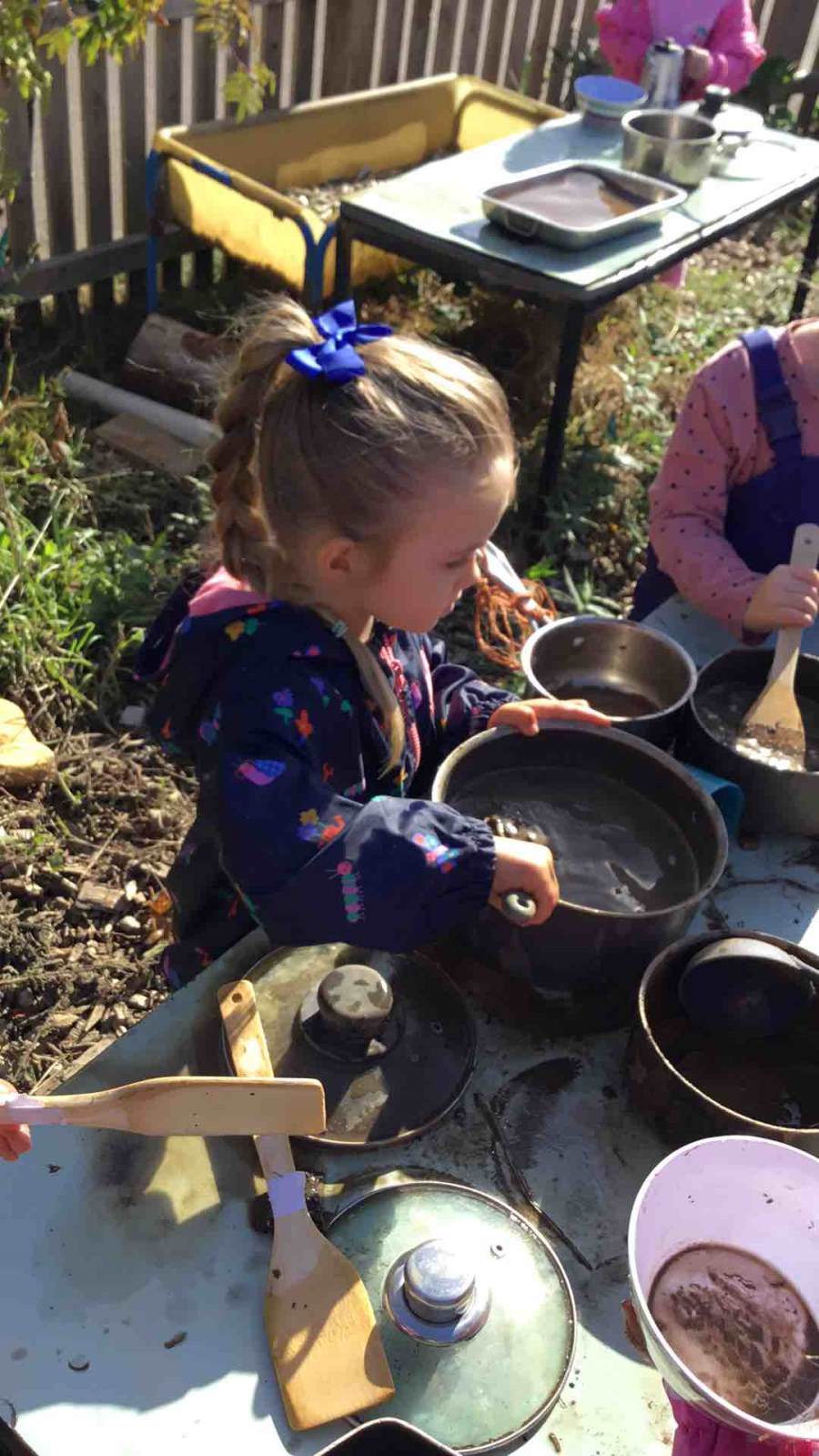
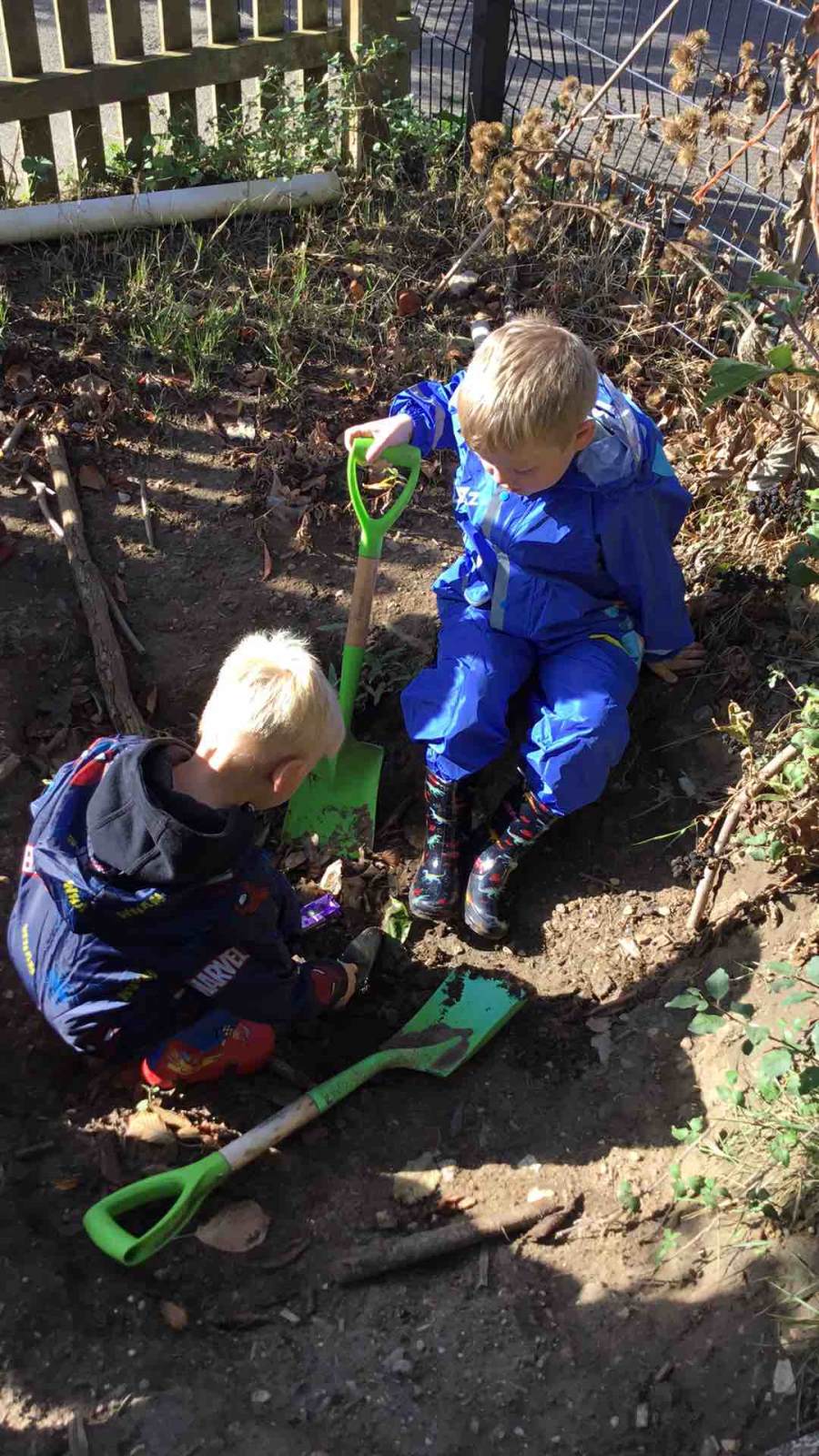
In Early Years, exploring the natural world is a vital part of children's learning. As part of continuous provision, children have opportunities to make observations within their outside area. They might be found observing how a car speeds down the ramp, or even hunting for bugs! By doing this, children can notice similarities and difference to their environment and other environments that they learn about.
Science in Key Stage 1
During years 1 and 2, pupils will be taught to use practical scientific methods, processes and skills through the teaching of the programme of study content, For example, we will ask questions, observe, perform simple tests and use our observations to answer questions. Have a look at some of our learning below:
Science in Key Stage 2
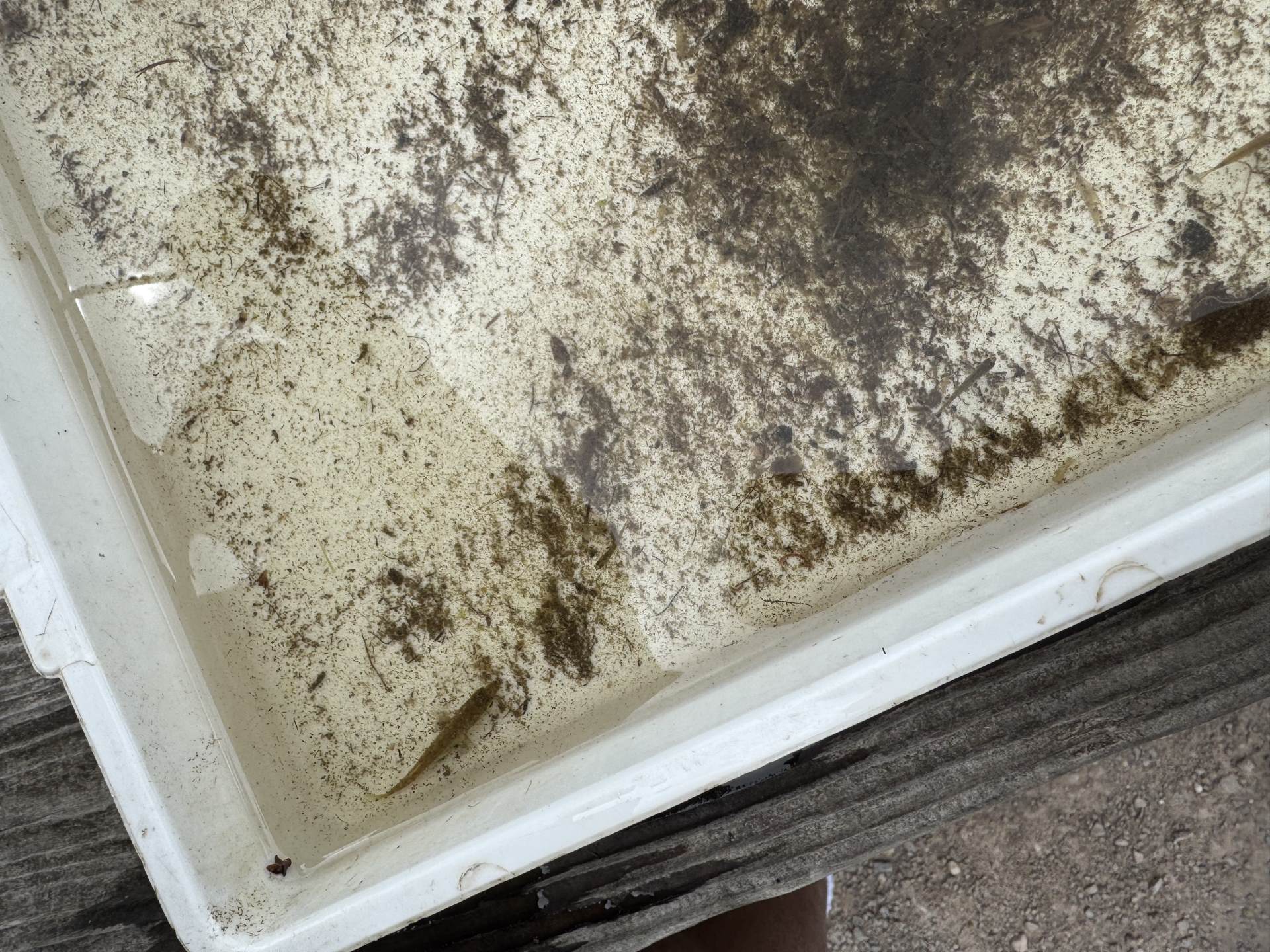
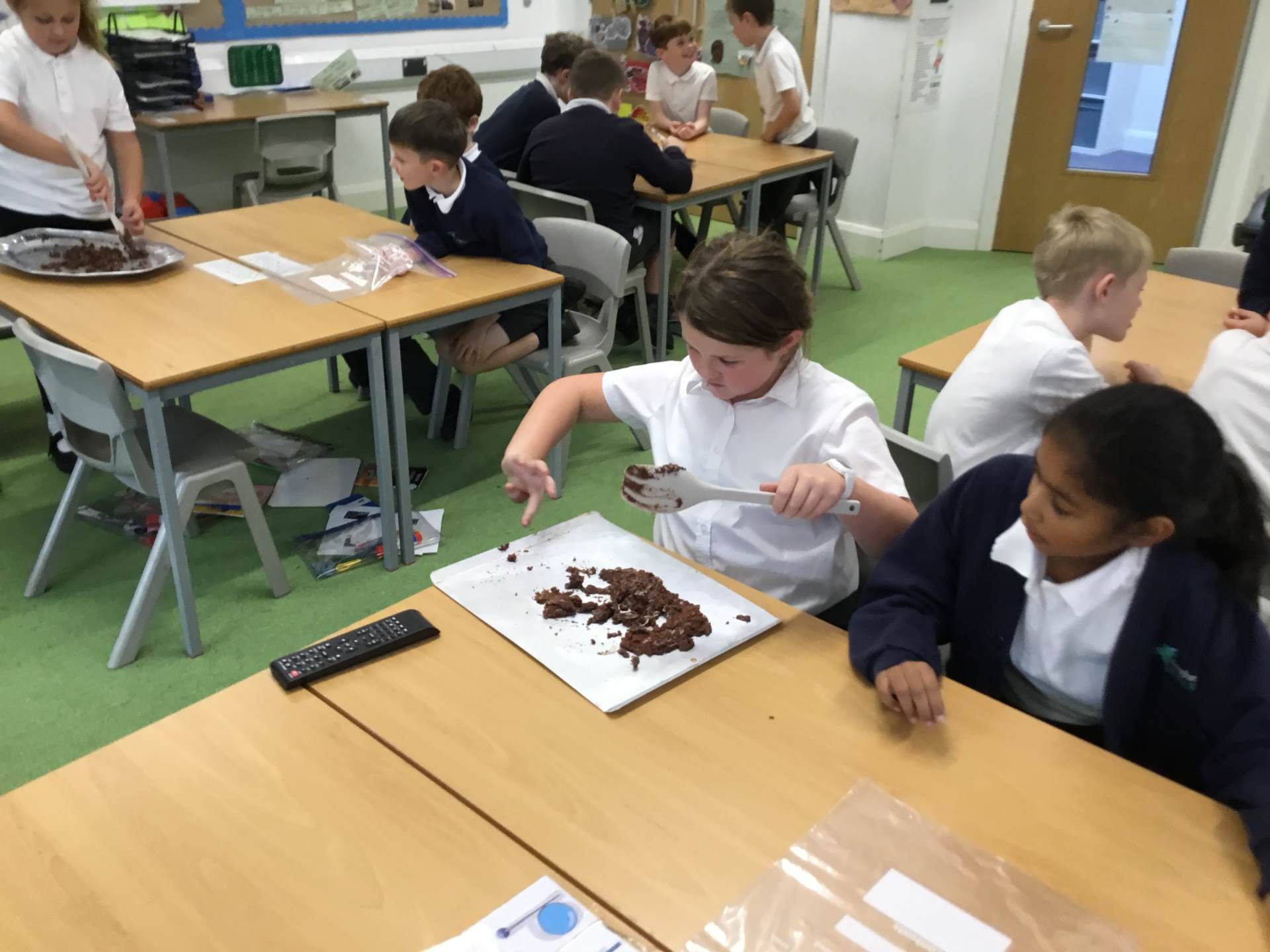
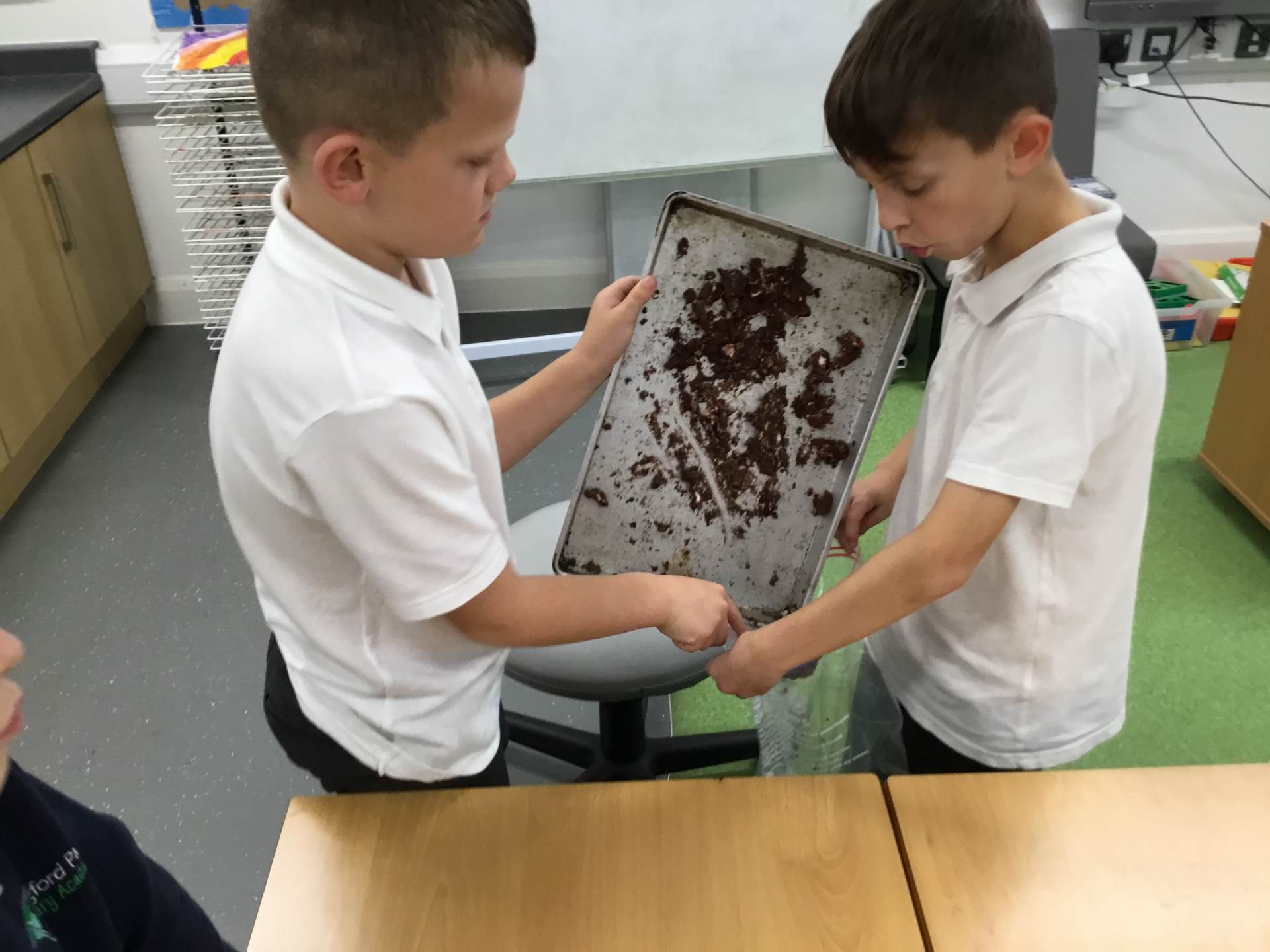
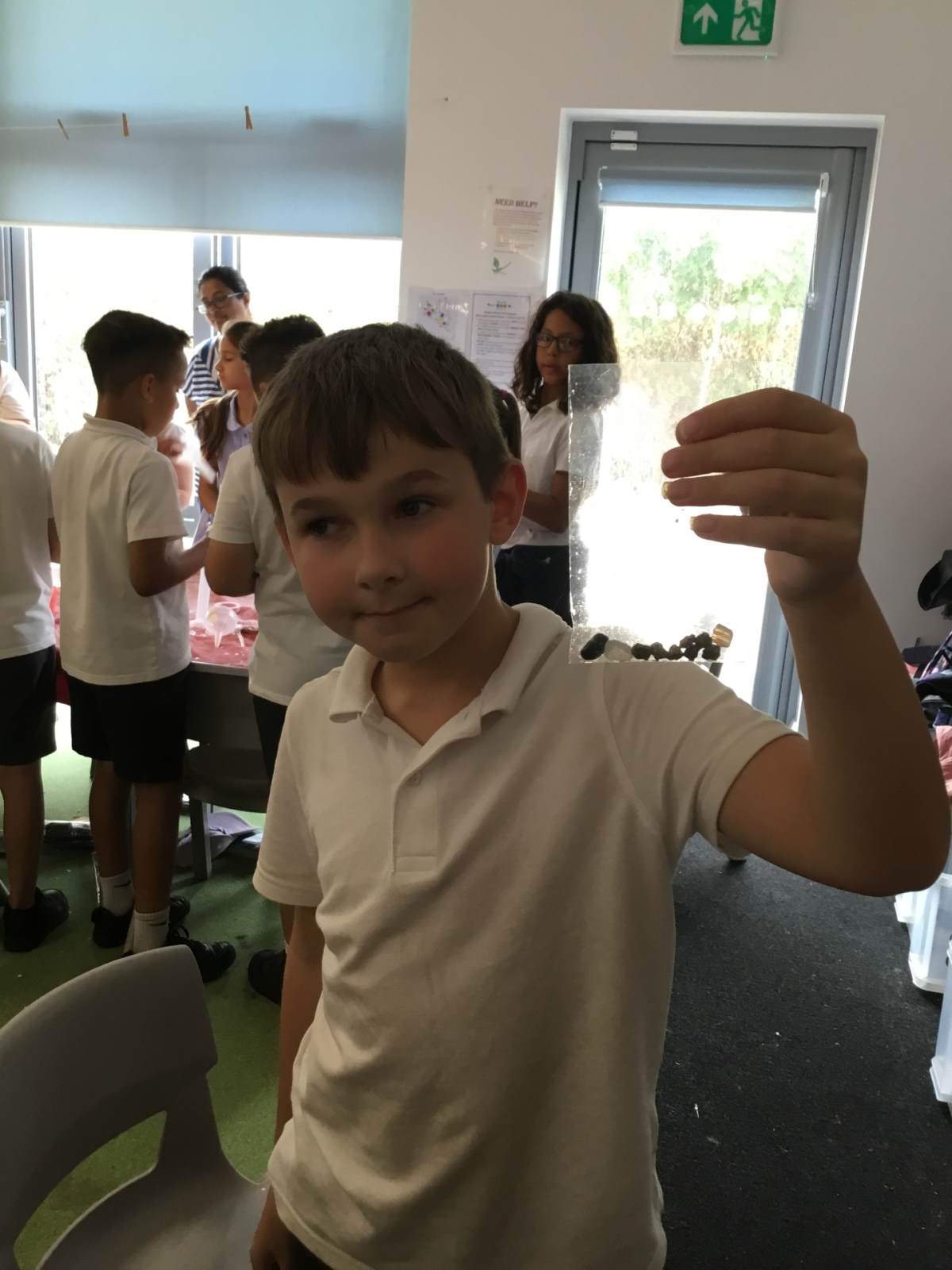
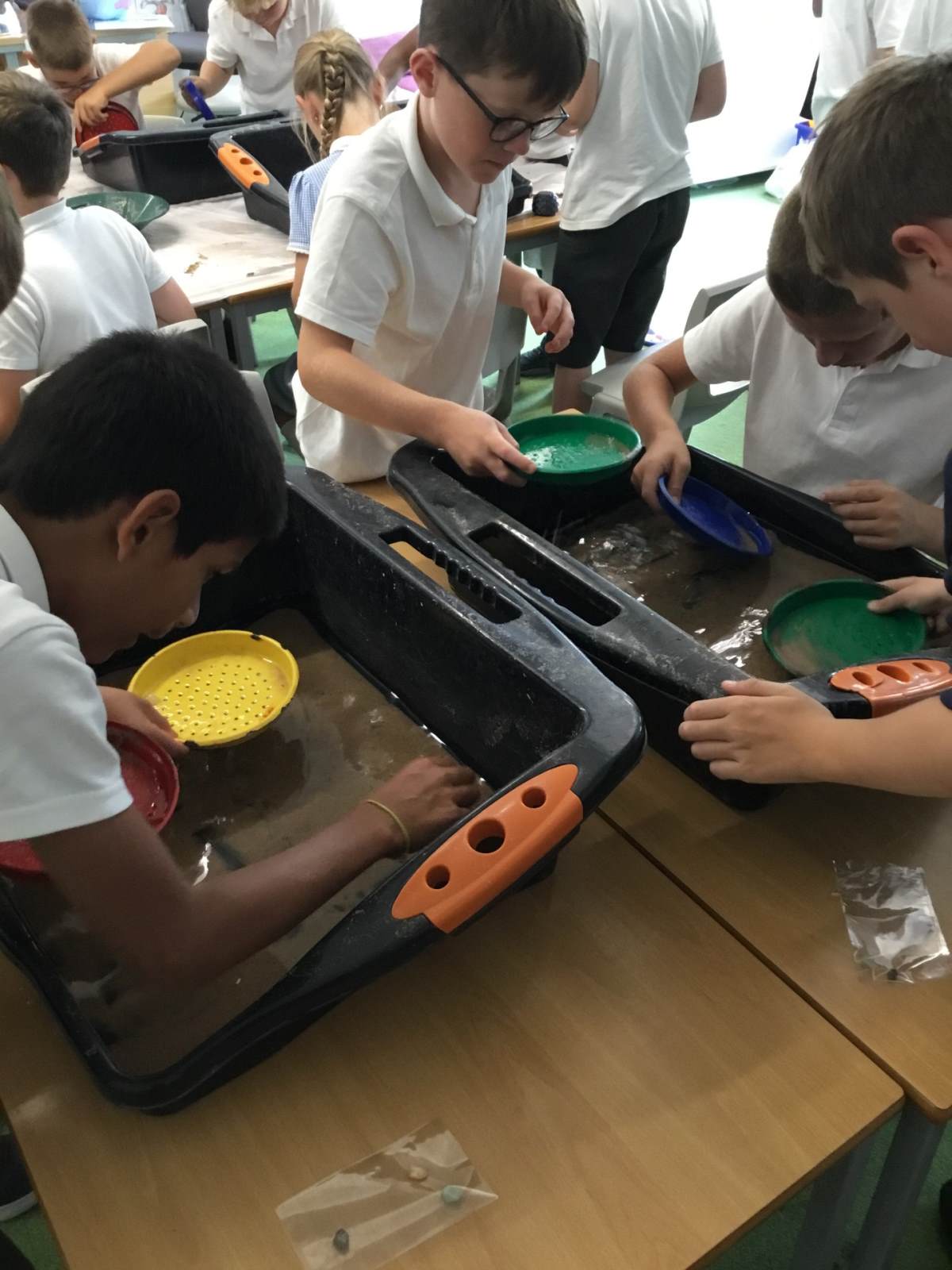
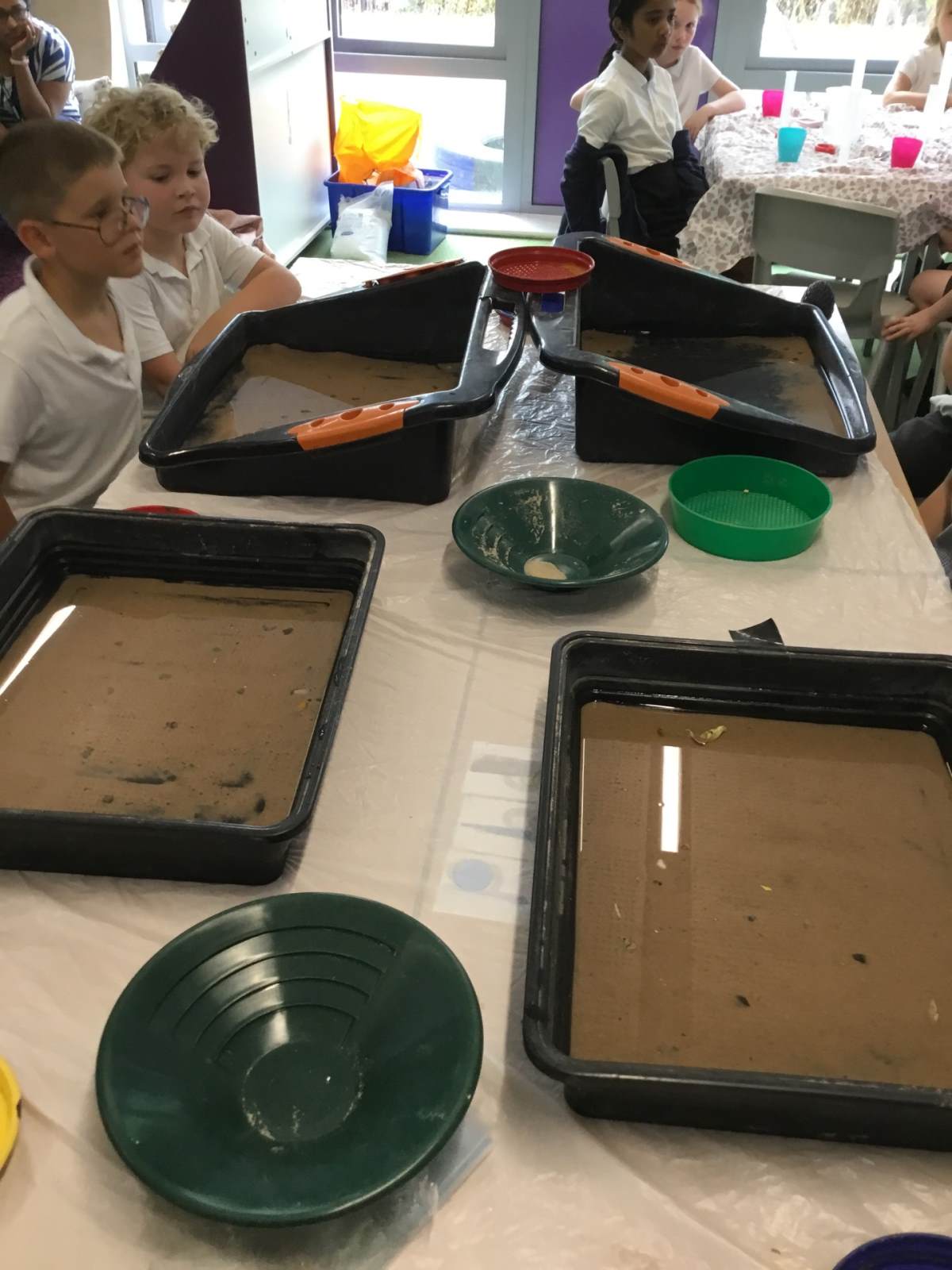
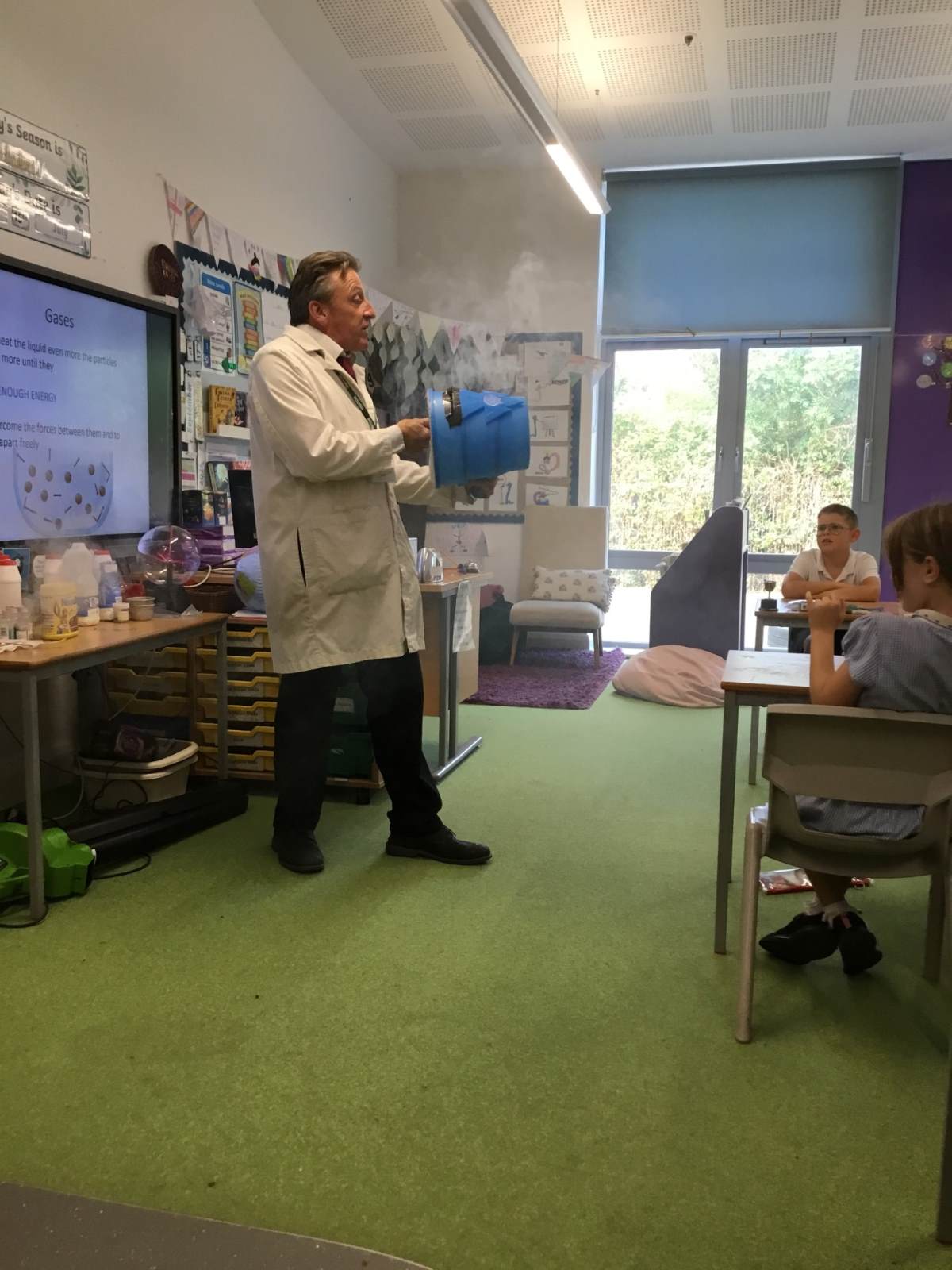
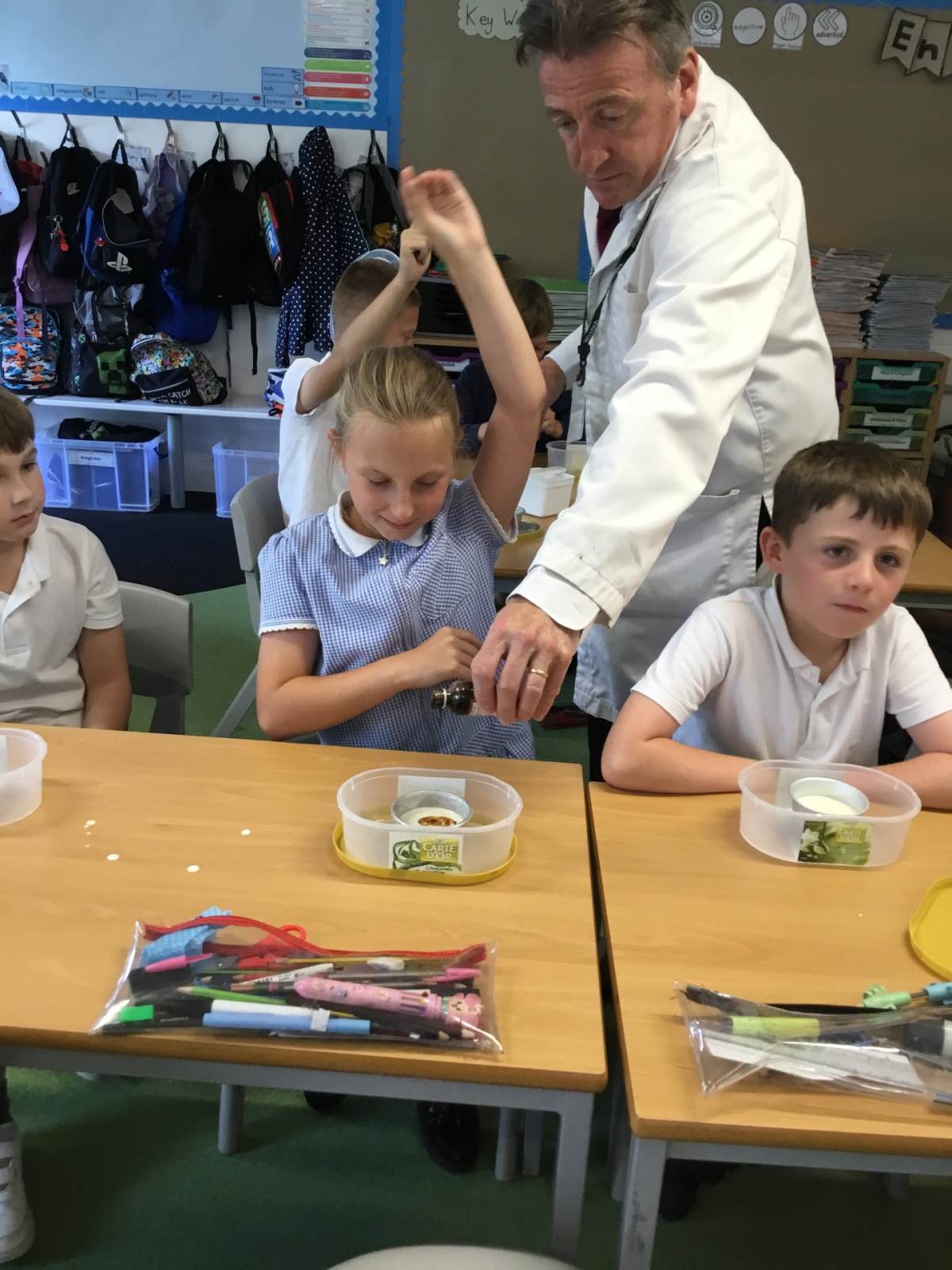
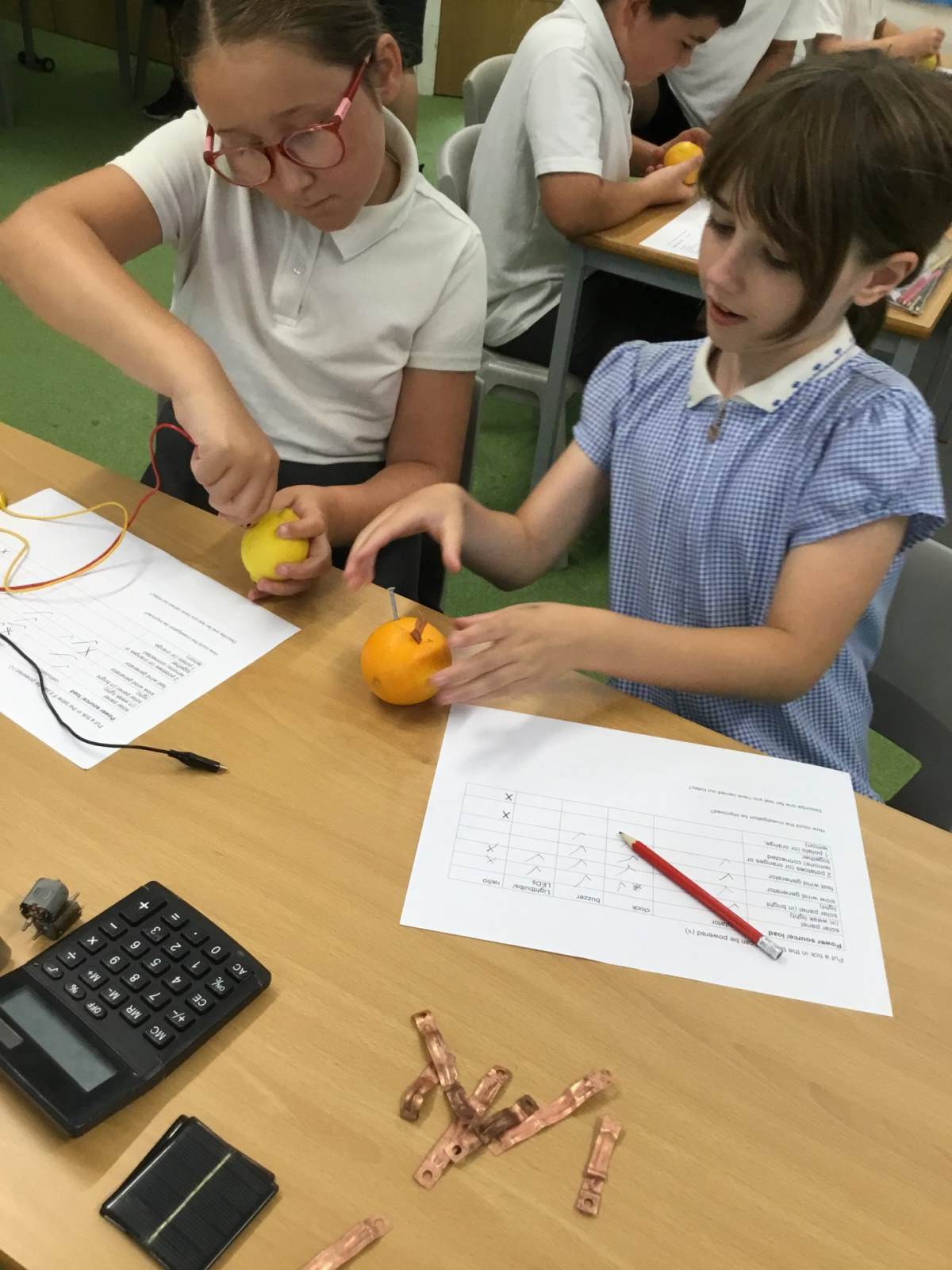
During KS2 pupils will be taught to use the following practical scientific methods, processes and skills through the teaching of the programme of study content. For example, children will build upon their knowledge by setting up simple enquiries and tests to answer questions they may have. Children will begin to present the data they observe in a variety of ways, varying from classification keys to creating more complex line graphs. Children will be able to use their knowledge of science to make reasonable predictions and support debates to develop their scientific vocabulary. Have a look at some of our learning below:
National Curriculum
Our Science curriculum is based on the National Curriculum. We have carefully mapped the Science curriculum so that it is progressive and children build upon their learning. Unit guides support teaching with core knowledge, disciplinary knowledge and vocabulary clearly defined.
gla science curriculum overview 2025 26 .pdf
Science at LPPA